


























The short answer: No, air purifiers do not remove moisture from the air. These devices filter airborne particles like dust, pollen, and pollutants—they don't function as dehumidifiers. If you're experiencing dry air in your home, the culprit is likely low humidity levels caused by heating systems, climate conditions, or poor ventilation, not your air purifier.
Despite this fact, the myth that air purifiers dry out indoor air persists. This misconception has led many homeowners to hesitate about using these beneficial devices. Let's examine the relationship between air purifiers and humidity, explore why some people feel dry when using them, and discuss practical solutions for maintaining comfortable indoor air quality.
How Air Purifiers Actually Work
Air purifiers improve indoor air quality by removing contaminants from the air through filtration systems. The process is straightforward: a fan draws air into the unit, passes it through filters that capture pollutants, and releases clean air back into the room.
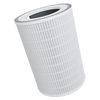
The most effective air purifiers use HEPA (High-Efficiency Particulate Air) filters, which capture 99.97% of particles as small as 0.3 microns—including allergens, dust, pet dander, pollen, mold spores, and even some bacteria and viruses. Some models also incorporate activated carbon filters to remove odors and volatile organic compounds (VOCs) from household chemicals and cleaning products.
For a deeper understanding of how these devices work and the different types available, check out our comprehensive guide on what are air purifiers.
Why You Might Feel Dry When Using an Air Purifier
If you've noticed dry skin, throat irritation, or other discomfort after running an air purifier, you're not imagining things—but the air purifier itself isn't the direct cause. Several factors create this perception:
Increased Awareness of Existing Conditions: When you invest in improving your indoor air quality, you naturally become more attentive to how your environment feels. You may simply be noticing dry air conditions that already existed.
Seasonal Timing: Most people run air purifiers more frequently during winter months when heating systems actively dry out indoor air. The correlation between using a purifier and experiencing dryness is coincidental, not causal.
Airflow and Circulation: Air purifiers increase air circulation in a room, which can make existing dry conditions feel more pronounced as air moves across your skin and nasal passages more frequently.
Better Air Quality Revealing Underlying Issues: Cleaner air sometimes makes you more aware of humidity problems that were previously masked by other irritants.
Recognizing the Signs of Dry Air
Does your home suffer from low humidity? Watch for these common indicators:
- Physical symptoms: Dry, itchy skin; chapped lips; irritated nasal passages; scratchy throat; increased static electricity causing shocks
- Respiratory issues: Aggravated asthma or allergy symptoms; increased susceptibility to respiratory infections; persistent coughing
- Home environment clues: Cracks in wooden furniture or flooring; gaps in wood trim or molding; wilting houseplants despite watering
- Comfort problems: Uncomfortable sleeping conditions; difficulty breathing comfortably at night
The ideal indoor humidity range sits between 30% and 50%. Below 30%, you'll likely experience the symptoms above. Consider purchasing an inexpensive hygrometer to monitor your home's humidity levels accurately.
The Myth About Air Purifiers and Humidity
The misconception that air purifiers dry out air stems from several sources:
Lack of Understanding: Many people don't fully grasp how air purifiers operate and assume any device processing air must alter its moisture content.
Mistaken Attribution: Someone experiencing dry air while using an air purifier may incorrectly blame the device rather than identifying the actual cause—usually heating systems or naturally low humidity.
Generalization: People sometimes assume all air-processing devices work similarly, conflating air purifiers with dehumidifiers despite their entirely different functions.
Incomplete Information: Misleading content online perpetuates confusion about what air purifiers actually do.
The truth is straightforward: air purifiers filter particles from the air without removing water vapor. Even models with high airflow rates don't extract moisture during the filtration process.
How Air Purifiers Actually Affect Humidity
While air purifiers don't actively remove moisture, understanding their minimal impact on indoor conditions provides useful context:
Type of Device: Standard air purifiers have virtually no effect on humidity. Some specialized units include built-in humidification features, but these are combination devices—the purification component still doesn't dry the air.
Room Size and Airflow: In smaller spaces, increased air circulation from the purifier's fan may make existing dry conditions more noticeable without actually changing humidity levels.
External Factors: The humidity level outside your home, your HVAC system's operation, cooking activities, shower steam, and the number of people in your home all affect indoor humidity far more than any air purifier.
Research consistently shows that non-humidifying air purifiers cause no measurable decrease in indoor humidity levels during normal operation.
Maintaining Proper Humidity Levels
Regardless of whether you use an air purifier, maintaining appropriate humidity levels is essential for comfort and health. Here's how to address dry air effectively:
Use a Humidifier
The most direct solution for dry air is adding moisture back into your environment with a humidifier. These devices release water vapor into the air, increasing relative humidity to comfortable levels. Options include:
- Cool mist humidifiers: Ideal for year-round use and safe around children
- Warm mist humidifiers: Provide soothing warm vapor, particularly comforting during winter
- Ultrasonic humidifiers: Operate quietly using high-frequency vibrations
- Evaporative humidifiers: Self-regulating and less likely to over-humidify
For detailed guidance on choosing and using humidifiers, read our complete guide on what is a humidifier.
Additional Strategies for Managing Dry Air
Beyond humidifiers, these practical tips help maintain comfortable humidity:
Monitor Regularly: Purchase a hygrometer to track indoor humidity levels. Adjust your approach based on actual measurements rather than guesswork.
Adjust Heating: Lower your thermostat slightly—heating systems are major culprits in drying indoor air. Each degree you reduce saves energy while helping humidity levels.
Improve Ventilation: Open windows periodically, even during winter, to allow moisture exchange. Short ventilation sessions refresh air without significantly affecting temperature.
Add Moisture Naturally: Place water bowls near heat sources, keep houseplants (which release moisture through transpiration), leave bathroom doors open after showers, and air-dry laundry indoors occasionally.
Maintain Your Equipment: Clean air purifiers, humidifiers, and HVAC filters regularly. Proper maintenance ensures efficient operation and prevents mold or bacterial growth.
Seal Air Leaks: Check windows, doors, and other openings for drafts. Sealing leaks helps maintain both temperature and humidity levels.
The Role of Air Purifiers in Healthy Indoor Environments
Despite not affecting humidity, air purifiers play a crucial role in creating healthier living spaces. They remove harmful particles that can trigger allergies, aggravate asthma, and compromise respiratory health.
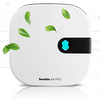
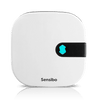
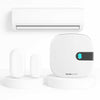
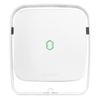
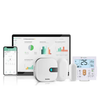
Modern air purifiers like the Sensibo Pure combine advanced HEPA filtration with smart features that adapt to your home's specific conditions. The Sensibo Pure removes 99.97% of airborne particles while monitoring your indoor air quality in real-time, automatically adjusting its operation when pollution levels rise.
What makes air purifiers particularly valuable:
Allergen Reduction: Capturing pollen, pet dander, and dust mites that trigger allergic reactions
Improved Sleep Quality: Removing irritants that can disrupt breathing during sleep
Protection from Outdoor Pollution: Filtering smoke, smog, and other outdoor contaminants that infiltrate homes
Odor Elimination: Activated carbon filters in quality purifiers remove cooking smells, pet odors, and VOCs
Year-Round Benefit: Unlike seasonal needs for humidifiers or dehumidifiers, air purification benefits health throughout all seasons
The key to optimal indoor air quality lies in using the right tools for specific purposes: air purifiers for removing contaminants and humidifiers for adding moisture when needed. These devices complement rather than conflict with each other.