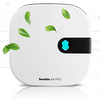
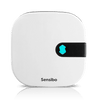
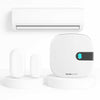
Sensibo Elements
Smart Air Quality Monitor
Detect pollutants like CO₂, TVOC, PM2.5, Ethanol indoors with Sensibo Elements Air Quality Monitor. Get an aggregated air quality score, alerts, protection tips & outside pollution updates via Sensibo app.

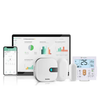
Monitor and Purify the Air you breathe with Sensibo Pure and Sensibo Elements

Experience advanced features to control your indoor climate effortlessly
Shop the Lineup


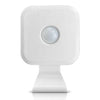
Smart Air Quality Monitor
Detect pollutants like CO₂, TVOC, PM2.5, Ethanol indoors with Sensibo Elements Air Quality Monitor. Get an aggregated air quality score, alerts, protection tips & outside pollution updates via Sensibo app.

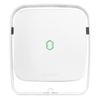
Smart Air Purifier
Experience optimal health & energy with Sensibo Pure, the world's top smart air purifier. Control indoor air quality, transform your breathing. Embrace a healthier life today!

Children and Babies

Elderly

People Working from Home

Allergy Sufferers

Pet Lovers

Smokers

Sensitive Individuals

Urban Dwellers

People with Asthma

Parents to be
Clean indoor air is crucial for good health. With the majority of our time spent indoors, ensuring its quality is paramount.
Maintaining good indoor air quality is crucial for the wellbeing of babies and children. Their developing respiratory systems are more susceptible to the effects of indoor air pollutants. According to a study published in the Journal of Pediatrics, exposure to poor air quality during early childhood can increase the risk of respiratory conditions like asthma and allergies later in life. Ensuring clean and fresh air indoors is essential for promoting the health and wellbeing of our youngest members of society.
Indoor air quality has a profound impact on allergies and wellbeing. Poor indoor air quality exacerbates allergic symptoms. Research shows that individuals exposed to high levels of indoor allergens are more likely to experience respiratory symptoms. Maintaining good indoor air quality is crucial for minimizing allergy symptoms and enhancing wellbeing.
The EPA provides guidelines for indoor air quality, protecting wellbeing. Recommendations include controlling pollutant sources and ensuring adequate ventilation. Following EPA guidelines helps reduce the risk of indoor air pollutants. Implementing these guidelines is essential for creating a healthy indoor environment.
Maintaining optimal carbon dioxide (CO2) levels indoors is crucial for wellbeing. High CO2 concentrations can lead to drowsiness and decreased cognitive performance. A study revealed that increased CO2 levels in office environments negatively affect cognitive skills. Controlling CO2 levels is essential for a healthy and productive indoor environment.
Research shows that indoor air quality, particularly the concentration of Total Volatile Organic Compounds (TVOC), has a significant impact on wellbeing. High levels of TVOC can cause eye and respiratory irritation. A study by the EPA found that exposure to elevated TVOC levels can lead to long-term health effects, such as asthma development.
As more individuals work from home, it is essential to consider the impact of indoor air quality. Research has shown that indoor air pollutants, such as volatile organic compounds (VOCs) and fine particulate matter, can be higher in residential settings compared to offices. Ensuring proper ventilation, using air purifiers, and reducing potential pollutant sources are important measures to maintain a healthy indoor environment and protect children's wellbeing.
Welcome to the world of smart air quality products, where the invisible becomes visible, and you gain control over what you breathe. With the rise of environmental concerns, understanding and monitoring indoor and outdoor air quality has never been more crucial. However, the challenge lies in identifying the unseen air pollutants that silently degrade our health. But thanks to cutting-edge technology and innovation, we now have the power to unveil and manage these invisible threats with the best air quality monitors around.The air we breathe inside our homes, offices, and other indoor spaces plays a vital role in our overall well-being. Yet, often, we remain unaware of its quality. Enter indoor air quality monitors, the devices designed to measure and report the invisible aspects of our indoor air.However, our air quality journey does not end with indoor air. It extends to outdoor air quality as well. After all, the outside air doesn't always stay outside. It seeps into our living spaces, bringing along whatever particles and other airborne pollutants it contains. Hence, having insights into outdoor air quality is just as crucial as understanding the air within our walls.This is where Sensibo comes in. With our suite of smart air quality products, we empower you with the necessary tools to monitor, understand, and manage the air you breathe, be it indoors or outdoors. But why is this so important? What lies within our air that demands such attention and technology? Let's delve deeper into the invisible world of air quality.
The quality of the air we breathe inside our homes, offices, and other closed spaces — referred to as indoor air quality (IAQ) — is a critical determinant of our overall health and well-being. Unfortunately, indoor air often contains a mix of pollutants that can negatively affect human health, including volatile organic compounds (VOCs), carbon monoxide, carbon dioxide, and particulates.Volatile organic compounds are a diverse set of compounds that have a high vapor pressure at room temperature. They can be emitted from a wide range of products, including paints, cleaning supplies, building materials, and furnishings. VOCs have been associated with a range of health effects, including headaches, nausea, and irritation of the eyes, nose, and throat.Carbon dioxide (CO2), on the other hand, is a natural component of the air we exhale. However, in poorly ventilated spaces, the CO2 concentration in fresh air can build up, leading to a stuffy indoor environment and causing symptoms such as headaches, shortness of breath, and dizziness.Without an indoor air quality monitor, these pollutants remain invisible, silently affecting our health. An air quality monitor not only identifies their presence in clean air, but also helps gauge their levels, enabling us to take appropriate corrective measures. It's the first step towards healthier indoor air and improved well-being.Despite being contained within walls, indoor air is not isolated. It's continually influenced by the quality of outdoor air, which finds its way into our spaces through ventilation, open doors, and windows. The relationship between indoor and outdoor air quality reinforces the importance of having a comprehensive understanding of air quality. In the next section, we explore the realm of outdoor air quality and its impact on our lives.
While indoor air quality largely dictates our immediate living environment, most people's health, outdoor air quality plays a significant role in this equation too. Often, we tend to dismiss outdoor air quality as something we can't control, but its impact on our health and indoor air quality is substantial.Outdoor air pollution consists of a diverse mix of pollutants, including particulate matter (PM), nitrogen dioxide (NO2), sulfur dioxide (SO2), carbon monoxide (CO), and ozone (O3). These pollutants, particularly the microscopic particles known as PM2.5, can infiltrate our homes and workplaces, affecting our indoor air quality and, subsequently, our health.Research has linked exposure to outdoor air pollution to a range of health problems, from short-term effects like irritation of the eyes, nose, and throat, to long-term impacts such as respiratory and heart diseases. In particular, children, elderly people, and those with pre-existing health conditions are more susceptible to the detrimental effects of polluted outdoor air.Furthermore, outdoor air is often the source of high concentrations of volatile organic compounds (VOCs), adding to the indoor VOC concentration. During certain times of the year, outdoor air can also carry allergens such as pollen, which can exacerbate allergic reactions and respiratory issues.However, the good news is that with today's smart air quality monitors, we can keep a tab on outdoor air quality, enabling us to take necessary precautions. For example, knowing when pollution levels are high outside can inform decisions such as when to go out, when to exercise, or when to ventilate our homes.It's clear that indoor and outdoor air quality are closely intertwined, with each impacting the other. By monitoring both, we can gain a holistic understanding of the air we breathe and take informed steps towards ensuring healthier air, both indoors and out. Let's now delve into the significance of air quality monitors and how they are instrumental in achieving this goal.
Air quality monitors are powerful tools in our quest for healthier air. They act as our eyes, unveiling the invisible aspects of our air that can influence our well-being. These smart devices do more than just reveal - they empower us with the knowledge needed to improve our air quality, indoors and outdoors.At their core, air quality monitors are designed to measure various air pollutants. They use sensors to detect and quantify airborne pollutants such as particulates (PM2.5), volatile organic compounds (VOCs), and carbon dioxide (CO2), among others. These devices typically display real-time readings, providing a snapshot of your air quality at any given moment.Moreover, most air quality monitors today offer additional features that enhance their usefulness. For example, some devices provide an air quality index (AQI) score, a standardized measurement of air pressure that simplifies the understanding of air quality status. This score can help individuals gauge their air quality quickly and easily, making air quality management more accessible.Air quality monitors are not just for indoor environments. Outdoor air quality monitors are also available, providing insights into the air quality inside and outside your home. Monitoring outdoor air quality can be especially beneficial for people living in urban areas, where air pollution is often a significant concern.While the function of these devices is unquestionably crucial, it's equally important to understand that not all air quality monitors are created equal. The accuracy and reliability of these devices can vary, making it essential to choose the best air quality monitor that delivers dependable and accurate readings.Cost is another factor to consider with other air quality monitors. Air quality monitors can range in price depending on their features and the number of pollutants they can detect. However, considering the invaluable insights they provide and their potential to improve your health, investing in a high-quality air quality monitor is certainly worth considering.In the next section, we'll explore Sensibo's smart air quality products and how they can help you gain control over the air you breathe.


Sensibo's smart air quality products are designed with one goal in mind: to provide you with detailed, accurate information about the air you breathe, empowering you to create a healthier living environment.What sets Sensibo's air quality monitors apart is their impressive suite of features and their unwavering focus on monitor air quality. These devices go beyond simply measuring air quality; they provide actionable insights and are integrated with advanced technology to help you proactively manage your air quality.Here are a few ways Sensibo's smart air quality products stand out:Comprehensive Air Quality MonitoringSensibo's air quality monitors don't just focus on one aspect of air quality. Instead, they provide a holistic overview of your indoor air, measuring a wide array of pollutants such as particulates (PM2.5), volatile organic compounds (VOCs), and carbon dioxide (CO2). This comprehensive monitoring enables you to understand your air quality in depth and identify potential issues.Real-Time Readings and AlertsWith Sensibo's air quality monitors, you get real-time air quality readings directly on your smartphone. The Sensibo app keeps you informed about your air quality at all times, and you can set up alerts to notify you when pollutant levels rise above acceptable levels. This immediate feedback allows you to take prompt action to improve your air quality.User-Friendly Design and InterfaceSensibo's portable air quality monitor products are designed to be user-friendly. The devices are easy to install and operate, and the accompanying Sensibo app is intuitive, providing a seamless user experience. The air quality index (AQI) score displayed on the app simplifies the interpretation of air quality data, making it easy for anyone to understand their air quality status.Integration with Other Smart DevicesSensibo's air quality monitors can be integrated with other smart devices in your home. This connectivity allows your air quality monitor to work in tandem with devices like air purifiers or HVAC systems, optimizing their operation based on the air quality readings. This smart interaction helps you maintain your indoor air quality effectively and efficiently.Affordable PricingWhile Sensibo's air quality products offer a range of advanced features, they remain affordable. Sensibo believes that access to healthier air should not be a luxury but a standard. The cost of Sensibo's air quality monitors reflects this belief, offering premium air quality monitors cost but without a premium price tag.In the final section, we'll discuss how you can use Sensibo's smart air quality products to improve your indoor air quality and create a healthier living environment.
Sensibo PureSensibo Pure, our smart air purifier, ushers in a new era of clean indoor air. Armed with a high-efficiency HEPA filter, Sensibo Pure rids your indoor air of 99.97% of particles as small as 0.1 microns. This includes common allergens and fine particles such as dust, pollen, and mold spores, in addition to volatile organic compounds and unpleasant odors.What sets Sensibo Pure apart from other air purifiers is its smart capabilities. It adjusts its operations based on the indoor air quality readings and the Geofence feature ensures it starts purifying your air just in time for your arrival home. Plus, it can be easily controlled through the Sensibo app or voice commands for the ultimate convenience.Sensibo ElementsSensibo Elements is our smart air quality monitor that helps you understand and improve the quality of your indoor air. It monitors a range of parameters including temperature, relative humidity %, carbon dioxide, and volatile organic compounds. It not only gives you real-time insights but also provides an air quality score, helping you easily understand your air quality status.Moreover, Sensibo Elements can work together with your other Sensibo devices, like Sensibo Pure or Sensibo Air, to automatically improve your air quality based on the readings. It's like having a personal air quality consultant right in your home, always working to keep humidity levels and ensure the healthiest indoor environment for you and your family.
Monitoring indoor air quality is the first step toward creating a healthier living environment. But understanding the data from your air quality monitor is equally important. A key metric that can help you assess your air quality is the Air Quality Index (AQI).Air Quality Index (AQI):The Air Quality Index is a standardized system used to measure and report air quality in a specific location. The AQI value can range from 0 to 500, where a lower AQI signifies cleaner air, and a higher AQI indicates a higher level of air pollution. Here's a basic breakdown of what the AQI values mean:


RECOMMENDEDSmart Air Purifier
$129$229
NEW!Smart Air Quality Monitor
$79$259
Enhance your home’s comfort and air quality with Sensibo’s top-rated devices, designed to simplify and improve your everyday life.


ARBS 2024 Digital / Software Award Finalist
AI Assistant powered by OpenAI

Winner - Net Zero Hero 2023


Amazon, Amazon Ads, Amazon Service Provider Network, Amazon SPN and Amazon SPN logos are trademarks of Amazon.com, Inc or its affiliates.