




































A correctly charged air conditioning system will operate efficiently and consume less current and will prolong the life of your unit. An air conditioning system in the correct charge with refrigerant operates better, maintaining cool air at all times with less energy consumption. The reverse will be doing more by the unit with the consequences of high cost in energy and even possible failure of the system.
It is important to learn some signs that will help you understand if your home air conditioning system requires recharging. This will enable you to act early before the problem escalates and becomes a costly and time-consuming issue. Some of the common signs include poor cooling where the air is not as cold as it used to be; the air conditioning unit takes longer to cool the room; and warmer air is coming out of the vents. You will also find that the AC is cycling on and off frequently and there is ice on the compressor.
Actioning to these signs promptly with checking and recharging the refrigerant will go a long way in restoring your system's efficiency and giving you a safe haven during those hot months. In the following sections, we will discuss three simple methods to recharge your home air conditioning system and will suit different levels of expertise and budgets.

What You Need to Know Before You Start?
Before attempting to recharge your home air conditioning system, there are several important considerations so that the process will be safe, legal, and effective. Here's what you need to take into account:
Health and Safety
Handling refrigerants requires attention to safety because they are chemical and can be hazardous if not handled properly. Always wear protective gear - gloves and safety goggles - to protect the skin and eyes from possible splashes or spills. The work area should also be well-ventilated to avoid inhalation of fumes. Do not attempt to recharge your AC system without proper knowledge and precautions, as incorrect handling may result in injuries, damage to the system, or harm to the environment.
Legal Issues
The handling of refrigerants is regulated by laws that vary from country to country or region to region, mainly due to its environmental impacts. The United States, for example, mandates individuals handling refrigerants intended for stationary refrigeration and air conditioning systems to be certified with Section 608. This certification ensures that the technician is well equipped with the right techniques and the environmental laws governing the handling of refrigerants. Consult your local legislation before proceeding, and seek professional assistance in case you are not certified.
Tools and Equipment
Proper recharging of your home air conditioner and conditioning system will demand some specific tools and materials:
- Type of refrigerant: You need to buy the right type of refrigerant that your system needs. It will be specified in the service manual of your AC unit.
- Refrigerant gauges: These gauges indicate the pressure in the AC system and, thus, the refrigerant level in the system. It is important where it comes in knowing how much to add, depending on the current refrigerant level.
- Hose kit: Used to connect the refrigerant container safely to the air conditioning system.
- Vacuum pump: Used with some recharging procedures, particularly when the system has to be evacuated.
- Leak Detector or Soap Solution: Before you recharge, check for leaks. Leak detection tools or a simple soap solution that bubbles at the site of a leak might do the trick.
- Protective Gear: Safety glasses and gloves are needed to protect against direct contact with refrigerants. It is important to have all the right tools and materials, know the legal implications, and follow all safety protocols when preparing to recharge your home's air conditioning system effectively and responsibly.

Guides to the 3 Easiest Ways to Recharge Your Home AC
Recharging your home air conditioning system can be approached in several ways, each varying in complexity and involvement. Below are step-by-step guides for three common methods.
Method 1: DIY Recharge Kit
- Buy the Right Kit: Make sure your DIY recharge kit is the right fit for your system's refrigerant type. The kit should contain a can of refrigerant, a service hose, and a gauge.
- Locate the Service Port: Look for the low-side service port on your AC unit. The larger of the two copper lines runs into the condenser, and you will find the service port there.
- Connect the Service Hose: Attach the hose from the DIY kit to the service port. Make sure it is securely attached.
- Turn on the AC: Turn on your AC system so that it is running while you recharge it.
- Monitor the Pressure: Watch the gauge carefully. Your AC manual should specify the correct pressure range for your system.
- Add Refrigerant: Open the valve on the refrigerant slowly to allow room temperature air to enter the system. Then, at intervals, check the pressure gauge to ensure you are not overcharging.
- Feel the Cold Air: After charging, check the temperature of the air coming from the vents inside your home.
- Remove the Kit: Once the desired pressure has been reached, close the refrigerant can valve, disconnect the hose, and replace the service port cap.
Benefits
- Relatively inexpensive compared to hiring a professional.
- An immediate solution without the need for a technician.
Negatives
- The risk of wrong handling or overcharging that may destroy the system.
- Legal issues may arise because it is not certified to handle certain types of refrigerants in your area.
Method 2: Professional HVAC Technician
- Verify Credentials: Insist that the technician has certification under the EPA Section 608 or equivalent in your area.
- Read Reviews: Look for reviews or ask for referrals from friends or family.
- Verify Experience: Select a technician who has experience in residential AC systems.
What to Expect?
- System Inspection and Diagnosis: A technician will first inspect the entire system to check for leaks or any other problem.
- Refrigerant Recharging: If a new refrigerant is needed, they will evacuate the system, make a vacuum test, and refill it with the required quantity of refrigerant.
- Testing and Completion: The technician will then test the system for its effectiveness and performance.
- Expected Time: The entire process may take a few hours depending on the situation and findings from the inspection.
Method 3: Smart AC Management Systems
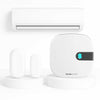
The smart AC management system connects with the existing HVAC system to monitor its performance air temperature and refrigerant levels continuously. This system uses sensors and software to optimize performance and alert you of problems such as refrigerant leaks.
Installation and Usage
- Select a Compatible System: Make sure the smart management system is compatible with your AC model.
- Professional Installation Recommended: Professional installation will ensure the system works at the best of its capacity.
- Settings up: Set alerts for the refrigerant levels, efficiency, and reminders for maintenance. By the manufacturer's guide, you will configure settings.
- Continuous Monitoring: Use the system's app or interface to monitor your home AC unit's performance. Set the system to meet your needs for efficiency and comfort.
Choose the method that best suits your needs and capabilities in keeping your home comfortable and your system running smoothly.

Tips to Avoid Frequent Recharges
Regular maintenance of your air conditioning system is the key that prevents frequent recharges and ensures efficient operation. The following are some of the key maintenance tips that will go a long way in extending the life of your system and keeping it running smoothly:
Checkups
Have a professional HVAC technician inspect and service your AC system annually—ideally before the cooling season starts. These inspections will catch things early before they become bigger problems.
- Air filters: Change or clean the air filters according to the usage and type. Proper airflow is necessary for good AC operation.
- Ductwork: Leaky ducts can have a severe impact on the system's efficiency. Have your ductwork inspected and sealed if necessary. This way, make sure air does not leak out into unconditioned spaces.
- Thermostat: Check the thermostat if it is working correctly and efficiently. This can be checked by testing your thermostat readings using another temperature gauge. You might want to upgrade to a smart thermostat for better energy control.
Find Leaks
- Visual checks: Check the AC unit frequently for signs of oil or refrigerant leaks. Refrigerant oils may stain the duct near the leak point.
- Listen for hissing noises: Strange hissing sounds can be an indication of escaping refrigerant. If you hear such sounds, call for a service immediately.
- Cooling Efficiency: Decreased cooling efficiency or an increase in your energy bills with no increase in usage indicates a refrigerant leak.
- Leak Detection Kit: In cases where you are comfortable with DIY methods, a refrigerant leak detection kit will help you detect leaks early. These kits often contain UV dyes or electronic sniffers that can detect leaks accurately.

Optimize Performance
- Clean the coils: The evaporator and condenser coils have a tendency to collect dirt over time. This reduces system efficiency and cooling power. Clean these coils yearly to keep them running at their optimal efficiency.
- Check Refrigerant Levels: Even if no visible leaks appear, it's always a good idea to check the refrigerant level with a professional during routine maintenance to be sure it's at the level recommended by the manufacturer.
- Airflow: Make sure no debris or foliage blocks the flow of air around your outdoor condensing unit. In a home, be sure vents are not blocked by furniture or curtains.
- Replace as Needed: If your AC system is very old and needs frequent recharging, consider replacing it with a newer, more energy-efficient model. It will not only save you on repair costs but also on energy-related costs.
With these tips for AC maintenance, you can significantly reduce the number of recharges needed by your AC system, improve its performance, and add years to the life of the unit to provide efficient, reliable cooling during warm seasons.
FAQ
Does a home air conditioner need regular regassing?
No, a home AC is a sealed system, so the refrigerant should not get used up or need topping up as routine maintenance. If the charge is low, there is almost always a leak somewhere. Adding refrigerant without finding and fixing that leak only buys time before the system runs low again.
Can I legally regas my air conditioning at home in the UK?
In most cases, no. In the UK, handling the refrigerants used in home air conditioners and heat pumps falls under F-gas rules, which require a certified engineer, much like Section 608 certification in the US. If you are not certified, the safe and legal route is to have a qualified engineer find the leak, repair it and recharge the system.
Can I use a car AC recharge kit on my home air conditioner?
No, car AC recharge kits are made for vehicle systems and their specific refrigerants and fittings, not for home split or central systems. Home units often use a different refrigerant, and mixing types or adding the wrong one can damage the compressor and make the system harder and more expensive to service. Always use the refrigerant type listed on the unit's rating plate or in its manual, and leave the work to a certified technician.
How can I tell if weak cooling is low refrigerant or something else?
Check the simple causes first, because a clogged air filter, a dirty outdoor coil, blocked vents or wrong thermostat or mode settings often cause the same weak cooling. Ice on the indoor coil or refrigerant lines, a hissing sound and oily stains near the pipework point more strongly to a refrigerant leak. Only a technician with pressure gauges can confirm the refrigerant level for certain.
Is it bad to keep running an AC that is low on refrigerant?
Yes, it is best to stop using it until it is fixed. A low charge makes the AC run longer for less cooling, which raises energy bills. It can also freeze the evaporator coil and overwork the compressor, the most expensive part to replace.
Can a Sensibo device check my AC's refrigerant level?
No, Sensibo smart AC controllers do not measure refrigerant pressure or level, and no app can replace a technician's gauges for that. What a device like Sensibo Air or Sky can do is show your room's temperature and humidity in the app. If the AC runs for a long time and the room still doesn't reach your set temperature, that is a useful sign to book a service visit.