


































Key Takeaways
- Peak daily temperatures in the U.S. typically hit between 3 PM and 5 PM, not at noon.
- Thermal lag is the reason the hottest time of the day arrives hours after the sun is highest.
- Regional differences shift peak heat timing by up to two hours depending on climate and geography.
- Humidity can push the "feels like" temperature 10 to 20 degrees above the recorded air temperature.
- Smart AC scheduling around peak hours reduces both energy costs and indoor discomfort.
The hottest time of the day falls between 3 PM and 5 PM in most parts of the United States. Even though the sun reaches its highest point around noon, air temperatures continue climbing for several hours after that. This delay, known as thermal lag, explains why late afternoon heat consistently outpaces the midday sun.
Why the Hottest Part of the Day Is Not at Noon
The sun delivers its strongest radiation at solar noon, around 12 PM local time. But the ground and the air above it do not heat up instantly. The earth's surface absorbs energy all morning and into the early afternoon, storing it like a battery. Only after the surface has absorbed more heat than it can radiate back into space does air temperature reach its daily maximum.
Scientists call this thermal lag or thermal response. Atmospheric research consistently shows a three-to-four-hour delay between peak solar input and peak air temperature. That gap is why 3 PM on a July afternoon feels so much worse than high noon on the same day.
The same principle works on a seasonal scale. The longest day of the year in the Northern Hemisphere falls on June 21, but July and August are hotter months because the earth's surface and oceans need weeks to fully absorb and release that accumulated solar energy.
When Does Temperature Peak in Different Climates?
The hottest time of the day shifts depending on where you are. Proximity to the equator, elevation, humidity levels, and local geography all push peak heat earlier or later.
|
Climate Zone |
Typical Peak Heat Window |
Why |
|
Tropical (near equator) |
1 PM to 3 PM |
Intense direct sunlight heats the surface rapidly, shorter lag |
|
Desert and arid regions |
2 PM to 4 PM |
Dry air and bare ground heat fast, minimal cloud cover |
|
Temperate (most of the U.S.) |
3 PM to 5 PM |
Moderate humidity extends the thermal lag cycle |
|
High latitude (Alaska, northern states) |
4 PM to 6 PM |
Lower sun angle and longer daylight stretch the heat curve |
|
Coastal |
2 PM to 4 PM |
Sea breezes often arrive mid-afternoon and cap temperatures |
Coastal cities tend to see temperatures peak earlier in the afternoon because onshore winds kick in and disrupt the heating cycle. Inland cities without that ocean influence continue heating well into late afternoon.
Regional Variations Across the United States

Peak heat timing and intensity vary across U.S. regions in ways that matter for outdoor planning, energy use, and health safety.
|
Region |
Average Peak Heat Window |
Notes |
|
Southwest (Arizona, Nevada) |
3:30 PM to 5:00 PM |
Clear skies and dry air push prolonged afternoon heat |
|
Southeast (Florida, Georgia) |
2:30 PM to 4:30 PM |
High humidity makes the perceived temperature much worse than the reading |
|
Midwest (Illinois, Ohio) |
3:00 PM to 4:30 PM |
Warm summers with moderate humidity |
|
Northeast (New York, Massachusetts) |
2:00 PM to 4:00 PM |
Cloud cover can dampen and shorten the peak window |
|
Pacific Northwest (Washington, Oregon) |
2:00 PM to 3:30 PM |
Cooler overall climate with shorter, less intense peaks |
|
Mountain West (Colorado, Utah) |
3:00 PM to 5:00 PM |
High elevation intensifies UV exposure even when air temps are moderate |
In the Southwest, temperatures regularly exceed 110°F (43°C) during peak hours, and the heat lingers well past 5 PM because bare rock and sand radiate stored energy into the evening. The Southeast may show lower thermometer readings, but humidity pushes the heat index far higher, turning a 94°F afternoon at 70% humidity into a felt temperature of 119°F.
How Humidity Changes What "Hottest" Really Means
Air temperature alone does not capture how hot a day feels. The human body cools itself primarily through sweat evaporation, and humidity slows that process down. When relative humidity climbs above 60%, the "feels like" temperature (measured by the heat index) pulls sharply away from the actual thermometer reading.
|
Actual Air Temp |
Relative Humidity |
Heat Index ("Feels Like") |
|
90°F (32°C) |
40% |
91°F |
|
90°F (32°C) |
65% |
103°F |
|
94°F (34°C) |
70% |
119°F |
|
96°F (36°C) |
50% |
108°F |
|
100°F (38°C) |
40% |
109°F |
This is why a 90°F day in Houston with 65% humidity (heat index of 103°F) can feel more oppressive than a 100°F day in Phoenix with 40% humidity (heat index of 109°F). The hottest part of the day in humid climates poses a greater health risk than the thermometer alone would suggest, because the body cannot shed heat fast enough.
The Urban Heat Island Effect
Cities run hotter than surrounding rural areas. The EPA found that daytime temperatures in U.S. urban areas run about 1 to 7°F higher than outlying areas, with nighttime differences reaching 2 to 5°F. Concrete, asphalt, and steel absorb solar energy throughout the day and release it slowly at night, which means urban temperatures stay elevated well after the sun goes down.
In dense downtown areas with minimal green space, the gap can widen further. UCAR research shows that nighttime urban-rural differences can reach up to 22°F under calm, clear conditions. This stretches the hottest time of the day in cities by an hour or more compared to suburbs, because the built environment keeps radiating stored heat well into the evening.
Staying Cool During the Hottest Part of the Day
A few practical adjustments can reduce both heat exposure and energy costs during peak afternoon hours.
Schedule outdoor exercise and yard work for before 10 AM or after 6 PM. The window around peak heat is when the National Weather Service issues the majority of its heat advisories. If outdoor activity is unavoidable, take breaks in shade every 15 to 20 minutes and drink water before you feel thirsty.
Close blinds and curtains on south-facing and west-facing windows by early afternoon. Solar heat gain through glass can raise indoor temperatures by several degrees, forcing the AC to work harder. Blackout curtains block up to 99% of incoming light and a significant share of the associated heat. Combining curtains with other methods to keep your house cool in summer can make a noticeable difference before the AC even kicks on.
Pre-cool your home in the late morning rather than waiting until the hottest time of the day hits. Running the AC when outdoor temps are still moderate costs less per degree of cooling than fighting 100°F+ air in late afternoon. This is where scheduling and automation make the biggest difference.
Smart AC Control for Peak Heat Hours

The most expensive time to cool your home is exactly when you need it most. Electricity rates spike during peak demand hours (typically 2 PM to 7 PM in summer), and your AC works hardest when the outdoor temperature is highest because the gap between indoor and outdoor air is largest.
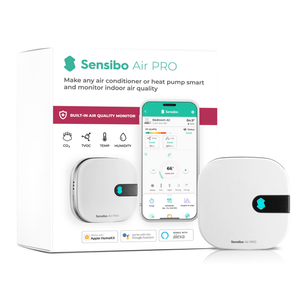
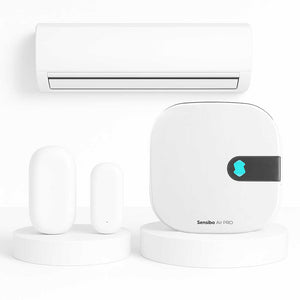
A smart AC controller like Sensibo Sky connects to your existing air conditioner or heat pump and adds app-based scheduling, geofencing, and automation. Pre-cool your home before the 3 PM peak, then let the smart controller maintain that temperature through the afternoon. This approach reduces both runtime and electricity costs. Geofencing turns the AC on when you are heading home and off when you leave, so you never cool an empty house during expensive peak hours.
Climate React, a feature built into Sensibo devices, monitors room temperature and humidity in real time and adjusts the AC automatically to maintain your target comfort level. Instead of the AC cycling on and off based on a static thermostat setting, it responds to actual conditions, which smooths out energy use and prevents the spikes that drive up summer bills.
Looking Ahead
The gap between what the thermometer says and what the body feels is widening as humidity patterns shift across the U.S. Peak heat hours have become a question of health risk and energy cost as much as comfort, and the tools people use to handle both are moving from manual to automatic.
FAQ
Is 2 PM or 3 PM hotter?
In most of the United States, 3 PM is hotter than 2 PM. The earth's surface is still absorbing more heat than it releases at 2 PM, and air temperatures typically do not reach their daily maximum until 3 PM to 5 PM depending on location and humidity.
What time is it hottest in summer?
Summer peak temperatures hit between 3 PM and 5 PM across most U.S. regions. The Southwest can see heat persist until 6 PM or later due to clear skies and desert terrain that radiates stored heat into the evening.
Why is it hotter after noon than at noon?
Thermal lag. Solar radiation is strongest at noon, but the ground continues absorbing and storing that energy for several hours. Air temperature does not peak until the surface has absorbed more heat than it can release, which happens in mid-to-late afternoon.
What is the coolest time of the day?
The coolest point in a 24-hour cycle is typically just after sunrise, between 5 AM and 7 AM. Overnight, the earth radiates stored heat into the atmosphere without receiving new solar input, so temperatures drop steadily until the sun reappears and the heating cycle restarts.
At what temperature should I stay indoors?
The National Weather Service recommends limiting outdoor activity when the heat index exceeds 103°F, which falls in their "Danger" category. At that level, heat cramps, heat exhaustion, and heatstroke become serious risks, especially for children, the elderly, and anyone exercising outdoors.
Does humidity make the afternoon feel hotter?
Yes. Humidity prevents sweat from evaporating, which is the body's primary cooling mechanism. A 90°F day with 65% humidity produces a heat index of about 103°F. The same air temperature at 40% humidity feels like 91°F. In humid climates, the hottest time of the day carries a higher health risk than dry-heat regions with the same thermometer reading.