































Key Takeaways
- A reverse cycle air conditioner is a heat pump that heats and cools one space by reversing the direction its refrigerant flows.
- Reverse cycle and split system are not the same thing, but most Australian split systems from Daikin, Mitsubishi Electric, Fujitsu and others are reverse cycle.
- Reverse cycle is one of the most efficient ways to heat with electricity because it moves heat in from outside rather than making it, though efficiency drops as outdoor temperatures fall.
- Moderate set points cut running costs, and Australian government energy advice suggests 18-20°C for heating and 25-27°C for cooling.
- Outdoor unit defrosting is normal in cold weather, so a short pause in heating with steam rising from the outdoor unit is not a fault.
- An existing unit can get Wi-Fi control without replacement through a brand Wi-Fi adapter or an infrared smart controller such as Sensibo, which can't see changes made with the original remote.
A reverse cycle air conditioner is a heat pump that both heats and cools by reversing the direction its refrigerant flows. In cooling mode it moves heat from inside your home to the outdoors. In heating mode it pulls heat from the outdoor air and releases it indoors, which makes it one of the most efficient ways to heat with electricity.
Most pages that rank for this term list models and ask for a quote. This guide covers what they skip: how reverse cycle relates to a split system, how to switch between heat, cool, dry and fan, which settings keep running costs down, why the outdoor unit defrosts, and how to add Wi-Fi control to the unit you already own.
All You Need to Know About Reverse Cycle Air Conditioners
- What Is a Reverse Cycle Air Conditioner and How Does It Work?
- Is Reverse Cycle the Same as a Split System?
- How Do You Switch Between Heat, Cool, Dry and Fan?
- Is Reverse Cycle Air Conditioning Efficient for Heating?
- What Is the Best Temperature for a Reverse Cycle Air Conditioner?
- Why Does the Outdoor Unit Defrost in Cold Weather?
- How Can You Add Wi-Fi Control to an Existing Reverse Cycle Unit?
- FAQ
What Is a Reverse Cycle Air Conditioner and How Does It Work?
A reverse cycle air conditioner is an air conditioner with a reversing valve that lets the refrigerant run in either direction. That one part turns a cooling-only AC into a heat pump that warms the room in winter and cools it in summer.
Every AC uses a compressor, two coils and a refrigerant that absorbs heat as it evaporates and releases heat as it condenses. In cooling mode, the indoor coil absorbs heat from the room and the outdoor unit dumps it outside.
In heating mode, the valve flips the flow. The outdoor coil collects heat from the outside air, because even cold air holds usable heat, and the indoor coil releases it into the room.
Key Parts of a Reverse Cycle System
- Indoor unit: the wall-mounted head, ceiling cassette or ducted fan coil that blows conditioned air into the room.
- Outdoor unit: houses the compressor, outdoor coil and fan, and does most of the work.
- Reversing valve: switches the refrigerant direction when you change between heating and cooling.
- Controller: an infrared remote on most wall splits, or a wired wall controller on many ducted systems.
Reverse cycle is the standard Australian term. In the US the same equipment is usually sold as a heat pump or a ductless mini split.
Is Reverse Cycle the Same as a Split System?
Not quite, but the two overlap heavily. Split system describes the layout: an indoor unit and an outdoor unit joined by refrigerant pipes. Reverse cycle describes the function: heating and cooling.
Most split systems sold in Australia by brands such as Daikin, Mitsubishi Electric and Fujitsu are reverse cycle, which is why people use the terms interchangeably. However, cooling-only splits do exist, and reverse cycle also comes in ducted, multi-split and window/wall formats.
|
System |
Layout |
Heats? |
Typical use |
|
Reverse cycle split system |
Wall unit plus outdoor unit |
Yes |
One room or an open-plan area |
|
Cooling-only split system |
Same layout, no reversing valve |
No |
Rooms that only need cooling |
|
Reverse cycle ducted |
One central unit with ducts to several rooms |
Yes |
Whole home, often zoned |
|
Multi-split |
Several indoor units on one outdoor unit |
Usually |
A few rooms without ducts |
|
Reverse cycle window/wall unit |
All-in-one box through a wall or window |
Yes |
Single rooms and smaller spaces |
To check a unit you already own, look for a Heat mode (sun symbol) on the remote. You can also check the spec sheet: a reverse cycle model lists a heating capacity in kW as well as a cooling capacity.
If you are deciding between a ducted heat pump and individual heads, see heat pump vs mini split.
How Do You Switch Between Heat, Cool, Dry and Fan?

On most wall splits, you press Mode on the remote repeatedly until the symbol you want appears. Ducted systems work the same way from the wall controller. Symbols vary a little by brand, but these are the common ones.
|
Mode |
Usual symbol |
What it does |
When to use it |
|
Cool |
Snowflake |
Moves heat out and removes some moisture |
Hot days |
|
Heat |
Sun |
Reverses the cycle to bring heat in |
Cool days and winter |
|
Dry |
Water droplet |
Runs gently with a low fan to pull moisture from the air |
Muggy days that aren't especially hot |
|
Fan |
Fan blades |
Circulates air without running the compressor |
Moving air on mild days |
|
Auto |
A or circular arrows |
Chooses heat or cool to reach the set temperature |
Mild seasons with cool nights and warm days |
Switching Modes Step by Step
- Press Mode until the symbol you want shows on the remote.
- Set the temperature you actually want, not an extreme one.
- Choose a fan speed; Auto is a sensible default.
- Give it a few minutes. Many units delay the compressor after a mode change to protect it, and in Heat the indoor fan often waits until the coil is warm so it doesn't blow cold air.
For more on the droplet setting, read what dry mode on your AC is. If Heat mode still blows cold air after several minutes, work through heat pump blowing cold air.
Is Reverse Cycle Air Conditioning Efficient for Heating?
Yes. Because a reverse cycle system moves heat rather than generating it, it delivers more heat energy into the room than the electricity it consumes. A plug-in electric heater can only turn each unit of electricity into one unit of heat.
Efficiency does drop as the outdoor temperature falls, because there is less heat to collect and the unit spends more time defrosting. Most Australian climates suit reverse cycle well. In alpine and other cold areas, choose a model rated for low outdoor temperatures.
How It Compares With Other Heaters
- Reverse cycle air conditioner: generally the lowest running cost among electric heating options, and it cools in summer too.
- Electric resistance heaters (fan, oil column, panel): cheap to buy, but expensive to run for long periods.
- Gas heaters: running costs depend on local gas and electricity prices and on the heater's efficiency, and they need proper ventilation.
When shopping, check the Zoned Energy Rating Label. It shows separate heating and cooling star ratings for hot, average and cold climate zones, so use the zone that matches where you live. Air conditioner efficiency ratings explained covers how to read these numbers.
What Is the Best Temperature for a Reverse Cycle Air Conditioner?
Australian government energy advice suggests 18-20°C in winter and 25-27°C in summer. The closer your set point is to the outdoor temperature, the less work the system does and the lower your bill.
Habits That Keep Running Costs Down
- Don't over-set to speed it up: setting 30°C won't heat the room faster. It just overshoots and wastes energy.
- Close doors and curtains: heating or cooling a smaller, sealed space takes less energy.
- Aim the louvres: point them down when heating and level or up when cooling, because warm air rises.
- Use timers and schedules: start the system shortly before you get home instead of running it all day in an empty house.
- Clean the filters: clogged filters cut airflow, so check them regularly as your manual advises.
- Keep the outdoor unit clear: leaves, plants and stored items block the airflow it needs.
- Use Dry on humid days: drier air often feels comfortable at a higher set point.
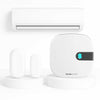
The indoor unit reads temperature up near the ceiling, which can differ from where you sit. A Sensibo Room Sensor paired with a Sensibo Air measures the room where you actually are. For more common money-wasters, see 5 common AC mistakes.
Why Does the Outdoor Unit Defrost in Cold Weather?

In Heat mode, the outdoor coil runs colder than the outside air so it can absorb heat. On cold, damp mornings, moisture in the air freezes on that coil, and frost blocks the airflow the unit needs.
To clear it, the unit runs a defrost cycle. It briefly reverses to cooling mode, sending hot refrigerant to the outdoor coil to melt the ice. This is normal operation, not a fault.
What You'll Notice During Defrost
- Heating pauses: the indoor fan usually stops so it doesn't blow cold air into the room.
- An indicator lights up: many models show a defrost or pre-heat light on the indoor unit.
- Steam outside: melting frost can make the outdoor unit look like it is smoking.
- A hiss or whoosh: this is the reversing valve changing the refrigerant flow.
When It's Not Normal
Defrost usually finishes within a few minutes, and then heating resumes. Call a technician if thick ice stays on the coil, defrost runs very frequently in mild weather, or the room never warms up. Low refrigerant, a faulty sensor or blocked airflow can all cause this.
For more on how cold weather affects performance, read does outside temperature affect your air conditioner.
How Can You Add Wi-Fi Control to an Existing Reverse Cycle Unit?

You don't need a new system to control your aircon from your phone. There are two main routes, and the right one depends on how your unit is controlled today.
Option 1: The Manufacturer's Wi-Fi Adapter
Brands such as Daikin and Mitsubishi Electric sell official Wi-Fi adapters for compatible models. These connect to the indoor unit's circuit board, so they need the right model and often an installer. We compare this route in official adapter vs smart controller.
Option 2: A Wi-Fi Aircon Controller That Uses Infrared
A smart controller sits within sight of the indoor unit and sends the same infrared signals as your remote. It works with most remote-controlled splits, whatever the brand, and installs in minutes with no wiring.
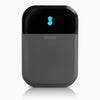
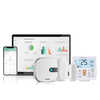
- Sensibo Sky: app control, schedules and timers for a remote-controlled AC.
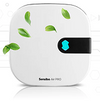
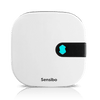
- Sensibo Air: the same app control, and it can pair with a Room Sensor.
- Sensibo Air Pro: adds air-quality monitoring to AC control.
Infrared is one-way. If someone changes the settings with the unit's original remote, the app won't see that change and will show the last state it sent. For an accurate app, put the original remote away and use the app or voice control instead.
Ducted systems that only have a wired wall controller usually can't use infrared controllers, so they need the brand's own Wi-Fi interface. See AC control panels and Wi-Fi options and how to connect an AC to Wi-Fi.
FAQ
Can a reverse cycle air conditioner heat and cool at the same time?
No. Each unit runs one mode at a time, either heating or cooling. On most multi-split systems, all indoor units connected to the same outdoor unit must also run in the same mode.
What is the best temperature to set a reverse cycle air conditioner?
Australian government energy advice suggests 18-20°C for heating in winter and 25-27°C for cooling in summer. Each degree closer to the outdoor temperature means less work for the system and lower running costs.
Why is my reverse cycle air conditioner blowing cold air on heat?
It is most likely warming up or running a defrost cycle, both of which pause warm airflow for a few minutes. Check that the remote is actually set to Heat and that the set temperature is above room temperature. If it still blows cold after several minutes, clean the filters and call a technician.
Is it cheaper to leave a reverse cycle air conditioner on all day?
Usually not if the house is empty for hours. Switching it off and scheduling it to start shortly before you return generally uses less energy. Avoid switching it on and off repeatedly over short periods, because inverter units run most efficiently at steady, low output once the room is at temperature.
Can I add Wi-Fi to an old reverse cycle air conditioner?
Yes, if it uses an infrared remote. An infrared smart controller such as Sensibo copies the remote's signals and adds app control and schedules. The app won't see changes made with the original remote. Ducted systems with only a wired wall controller usually need the manufacturer's Wi-Fi adapter instead.
Does reverse cycle heating dry out the air?
Heating lowers relative humidity because warm air can hold more moisture, so the air can feel drier even though no water is removed. Cooling and Dry modes do remove moisture. A humidity monitor shows whether your room actually needs a humidifier.