
































Key Takeaways
- Short bursts of cool air in freezing weather usually mean defrost, which has a time limit.
- Ducted and ductless heat pumps behave differently, so "normal" looks different on each.
- Thin frost is expected. Ice past a certain thickness is a fault.
- One setting, often missed after a thermostat upgrade, makes the system cool on Heat.
- A stuck reversing valve is a fault only heat pumps can have.
- Cold-climate models keep heating far below the limit of standard ones.
Your thermostat says Heat, but the air from the vents feels cool. A heat pump runs the same refrigerant cycle as an air conditioner in reverse, so cool air in winter can come from a routine defrost cycle, a wrong setting, ice on the outdoor unit, or a failed part. Most of these you can confirm at home in a few minutes.
Some causes are shared with cooling problems: a clogged filter or a dirty coil that leaves an air conditioner running but not cooling in summer also leaves a heat pump not heating in winter. Others, such as a stuck reversing valve, only occur in heat pumps.
All You Need to Know About a Heat Pump Blowing Cold Air
- How Is a Heat Pump Different From an Air Conditioner?
- Which Symptom Matches Your Heat Pump?
- Heat Pump Blowing Cold Air? Check the Defrost Cycle First
- Clogged Air Filter Blocking Airflow
- Ice That Won't Clear From the Outdoor Unit
- Wrong Thermostat or Remote Settings
- Reversing Valve Stuck in Cooling Position
- Low Refrigerant From a Leak
- Outdoor Temperature Below the Heat Pump Temperature Range
- At What Temperature Does a Heat Pump Stop Working, and When Is It a Fault?
- When Should You Call a Professional?
- FAQ
How Is a Heat Pump Different From an Air Conditioner?

A heat pump moves heat out of your home in summer, then reverses the flow in winter with a part called the reversing valve. The outdoor coil collects heat from outside air, the compressor raises its temperature, and the indoor coil releases it into the room.
Because the cycle runs both ways, cool air does not always mean a broken part. What you see also depends on the installation:
|
Feature |
Ducted heat pump |
Ductless mini-split |
|
Control |
Wall thermostat |
Infrared remote or app |
|
Backup heat |
Electric heat strips (aux heat) |
Usually none |
|
Air filter |
Disposable, at the air handler or return grille |
Washable mesh, behind the front panel |
Mini-splits keep the indoor fan off or on low for the first few minutes in Heat until the coil warms up.
Which Symptom Matches Your Heat Pump?
Most cases of a unit blowing cold air in winter fall into one of these rows.
|
Symptom |
Most likely cause |
DIY or technician |
|
Cool air for up to 15 minutes, then warm air returns |
Defrost cycle |
Nothing to fix |
|
Cool air the whole time the system runs |
Wrong mode, stuck reversing valve, or low refrigerant |
Settings DIY, the rest a technician |
|
Weak heat during a hard freeze |
Outdoor temperature near the unit's limit |
Technician only if it also occurs on mild days |
|
Thick ice on the outdoor unit |
Defrost control, outdoor fan, or refrigerant fault |
Clear snow; technician if the ice stays |
|
System won't turn on |
Tripped breaker, dead batteries, or wrong settings |
DIY |
|
Hissing or repeated clicking |
Refrigerant leak or a valve that can't shift |
Technician |
1. Heat Pump Blowing Cold Air? Check the Defrost Cycle First
A heat pump blowing cold air for a few minutes on a freezing day is most often defrosting. In heat mode, the outdoor coil runs colder than the outside air, moisture freezes on it, and the frost stops the coil from picking up heat. To clear it, the system switches to the cooling direction and sends hot refrigerant outdoors.
On ducted systems, a defrost control board starts the cycle after a set amount of heating time, typically 30, 60, or 90 minutes, once the coil is cold enough to hold frost. Each cycle usually lasts 5 to 15 minutes, with room-temperature or slightly cooler air from the vents until it ends.
Ducted units run the backup heat strips during defrost, so cold air at that moment points to the strips. Mini-splits stop the indoor fan and blink the operation light instead.
|
Normal defrost |
Sign of a problem |
|
Steam rises from the outdoor unit and its fan stops |
The cycle runs longer than 30 minutes |
|
Warm air returns within about 15 minutes |
Warm air never returns after the cycle |
|
Thin frost melts away |
A thick crust of ice stays on the coil |
Wait through one full cycle before changing settings, and call a technician if the right-hand column matches.
2. Clogged Air Filter Blocking Airflow

In heat mode, the indoor coil is where heat leaves the refrigerant. A dirty filter cuts the airflow across it, pressure rises, and many systems reduce output or stop the compressor to protect it. The result is lukewarm air and a heat pump not heating the rooms it should.
On ducted systems, inspect the filter once a month and replace it when it turns gray. On mini-splits, rinse the mesh filter, let it dry completely, and put it back. Weak airflow with a clean filter calls for a technician.
3. Ice That Won't Clear From the Outdoor Unit
Normal frost is thin, even, and melts during defrost. Ice thicker than about 1/4 inch, ice that stays after defrost, or ice on the fan blades is a fault. Common causes:
- A defrost sensor or control board that never starts the cycle
- A stopped outdoor fan motor
- Low refrigerant
- Water dripping from a roof edge or gutter onto the unit
- Snow piled against the sides
1. Turn the Heat Pump Off
Switch it off at the thermostat or remote, so the fan can't strike the ice.
2. Clear Snow and Debris
Leave about 2 feet of open space on every side and a path for melt water to drain.
3. Melt the Ice With Lukewarm Water
Rinse the coil with a garden hose. Chipping the ice or using hot water can bend the fins.
4. Restart and Watch One Cycle
Turn the heat back on and watch the next defrost. Call a technician if heavy ice returns within a day or the unit never defrosts.
4. Wrong Thermostat or Remote Settings
Check these first:
- Mode is set to Heat. On a mini-split remote, that's the sun icon.
- The setpoint is at least 5°F above the current room temperature.
- The fan is on Auto, so a ducted system doesn't blow air between heating cycles.
- Aux heat is enabled in the thermostat settings (ducted systems only).
- Batteries in the remote or thermostat are fresh.
A new smart thermostat needs one more check. Heat pump brands energize the reversing valve in different modes: many in cooling through the O terminal, some in heating through the B terminal. With the wrong one selected, you get a heat pump blowing cold air in heat mode from the first day. Check the "O/B" option in the equipment menu and confirm the thermostat is set up for a heat pump.
If every setting is correct and the house stays cold, have a technician test the thermostat wiring.
5. Reversing Valve Stuck in Cooling Position
Air conditioners don't have a reversing valve, so this fault is specific to heat pumps. A valve stuck in the cooling position lets the system cool normally all summer. Once you switch to heat mode, the heat pump keeps blowing cold air because the refrigerant still flows in the cooling direction.
Other signs include no whoosh from the outdoor unit when the mode changes, or repeated clicking as the valve tries to shift.
Two parts can fail: the electrical solenoid coil, which is the cheaper repair, or the valve body itself. Both are technician jobs. Check the O/B setting first, since it produces the same symptoms.
6. Low Refrigerant From a Leak
Refrigerant circulates in a sealed loop, so a low charge always means a leak. In heat mode, watch for:
- Frost on the outdoor coil on mild days
- Aux heat running when it's above freezing outside
- Long run times with lukewarm air
- Hissing near the refrigerant lines
Handling refrigerant requires EPA Section 608 certification. Topping off the charge without fixing the leak leaves you with a heat pump not heating again later and strains the compressor in the meantime.
7. Outdoor Temperature Below the Heat Pump Temperature Range
The colder the outdoor air, the less heat a heat pump can collect from it. On the coldest nights the house can fall below the setpoint with no fault at all, and standard models hand more of the load to backup heat sooner than cold-climate ones.
The numbers behind how outdoor temperature affects heat pump and AC efficiency help you set realistic targets in both seasons. During a cold snap, keep the outdoor unit clear and hold a steady setpoint instead of a deep overnight setback.
At What Temperature Does a Heat Pump Stop Working, and When Is It a Fault?

No heat pump shuts off at one fixed temperature, since output falls gradually. Standard models lose a large share of capacity below freezing, and many are rated only to about 5°F. Cold-climate models keep heating far lower, and many list operation down to about -13°F.
Each heat pump has its own working temperature range, listed on the model's spec sheet or in the NEEP cold-climate heat pump product list.
Heat Pump Efficiency by Temperature
|
Outdoor temperature |
Standard heat pump |
Cold-climate heat pump |
What you notice indoors |
|
47°F |
Full rated output, COP around 3.2 |
Full rated output |
Steady heat, short cycles |
|
17°F |
About 57% of 47°F output, COP around 2.2 |
More output than standard units |
Long run times |
|
5°F |
At or past the rated limit for many models |
At least 70% of 47°F output, COP 1.75 or higher |
Backup heat on standard units; cold-climate units still carry the load |
Standard figures come from lab tests on a 3-ton ducted unit; cold-climate figures are ENERGY STAR minimums.
Weak heat only on the coldest nights points to the limit. Weak heat on a 40°F day points to a fault.
When Should You Call a Professional?
Turn the System Off and Call Now For:
- A burning or electrical smell
- A breaker that trips again after one reset
- Hissing near the outdoor unit or refrigerant lines
- Ice frozen onto the fan blades
Book a Service Visit Soon If:
- The system turns on and off every few minutes
- The indoor unit shows an error code outside of defrost
- The house falls below the setpoint on mild days
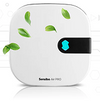
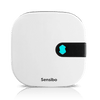
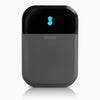
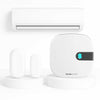
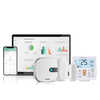
Weak heating is easier to deal with when you spot it before the house turns cold. On remote-controlled heat pumps, a controller with its own temperature sensor shows the real room reading in an app, so you see the room cooling while the unit still reports Heat. Sensibo Air Pro monitors heat pump performance and alerts when heating drops, and its Climate React feature can respond to a falling room temperature on its own.
FAQ
Why is my heat pump blowing cold air in heat mode?
Most often it's a defrost cycle, which pauses heating for 5 to 15 minutes. Cool air that lasts longer points to settings, the reversing valve, or refrigerant.
How do I know if my heat pump is in defrost mode?
Listen for a whoosh from the outdoor unit as the cycle starts and ends. Many mini-splits also blink the operation light, and some displays show "dF" or "Defrost."
At what temperature does a heat pump stop working?
Standard units struggle in the 20s°F, while cold-climate units keep heating to about -13°F. Your model's exact heat pump temperature range is on its spec sheet.
Should I switch to Emergency Heat if my heat pump isn't heating?
Only when the outdoor unit can't run, for example, when it's frozen solid or won't start. Emergency heat uses the electric strips alone and costs far more to run.
How often should a heat pump defrost cycle run?
Several times a day is normal in freezing weather, most often on damp days between about 32°F and 40°F.
Why is my heat pump running but not warming the house?
Heat pump air usually leaves the vents at about 85°F to 100°F, which feels cool on your hand while it still warms the room. If the house reaches the setpoint, the system is fine.