

































Key Takeaways
- Home air quality monitors do not detect mold spores and cannot tell you which mold is present or how much of it is in the air.
- Sustained high humidity is the strongest warning sign a monitor can show, and the EPA advises keeping indoor humidity below 60%, ideally between 30% and 50%.
- TVOC, eCO2 and PM2.5 readings are supporting clues only, because none of these sensors can separate mold from cooking, cleaning products, breath or dust.
- Read trends, not snapshots: a humidity spike after a shower is normal, but humidity that stays above 60% for days needs fixing.
- Move to a spore-trap air test or professional inspection when you suspect hidden mold after a leak, notice a persistent musty smell, or need proof for a landlord or buyer.
- Keeping AC-cooled rooms dry lowers mold risk, so use Dry mode on muggy days, keep the fan on Auto and clean filters, coils and drain lines.
No. Consumer air quality monitors do not detect or count mold spores. What they can do is track the conditions that let mold grow, mainly sustained high humidity, poor ventilation and changes in VOCs, so you can fix a moisture problem before mold takes hold.
If you can already see or smell mold, a monitor will not confirm the species or the spore count. A spore-trap air test or a professional inspection can. Below we explain what each sensor tells you, which humidity numbers matter, how to read the signals, and how keeping AC-cooled rooms dry cuts the risk.
All You Need to Know About Air Quality Monitors and Mold
Do Air Quality Monitors Detect Mold?
Not directly. Mold spores are microscopic particles, and identifying them means capturing them on a sampling cassette or surface sample and examining them under a microscope or growing them in a lab. A home monitor has no way to do that.
Consumer monitors use small sensors for gases, particles, temperature and humidity. A particle sensor cannot tell a spore from dust, pollen or smoke, and a VOC sensor cannot tell a musty mold odor from a scented candle.
Some brands show a "mold risk" score. That number is calculated from humidity and temperature over time. It is a useful warning, but it is not a spore reading.
- What a monitor can tell you: whether a room stays humid long enough for mold to grow, whether air is stale, and whether VOC levels change without an obvious cause.
- What a monitor cannot tell you: whether mold is present, what type it is, how many spores are in the air, or where hidden growth is.
What Do Home Air Quality Monitors Actually Measure?

Most home monitors combine a few common sensor types. Each one gives a different, indirect clue about mold risk, and humidity is by far the most useful.
|
Sensor |
What it measures |
What it tells you about mold |
|
Relative humidity |
Water vapor in the air, as a percentage |
The strongest signal. Humidity that stays high for days is the main condition behind indoor mold. |
|
Temperature |
Air temperature |
Read alongside humidity. Warm, humid air meeting cold walls or windows causes condensation where mold starts. |
|
TVOC |
Total volatile organic compounds |
Growing mold releases odorous compounds, but the sensor cannot separate them from cooking, cleaning products or paint. |
|
eCO2 |
Estimated carbon dioxide |
A ventilation check. Stale air that builds up CO2 also builds up moisture from breathing, cooking and showers. |
|
PM2.5 |
Fine particles 2.5 microns and smaller |
Cannot identify spores. Many common spores are around or above that size, and the sensor cannot tell them from dust or smoke. |
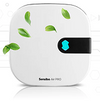
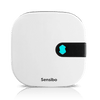
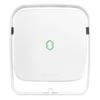
Sensibo Elements measures exactly these: temperature, humidity, TVOC, eCO2 and PM2.5. It does not sample mold spores, but it lets you follow the humidity and ventilation trends behind mold growth from your phone.
If you want to understand the VOC reading in more depth, see our guide on what TVOC is and why it matters.
What Humidity Level Causes Mold Indoors?
The EPA recommends keeping indoor humidity below 60%, ideally between 30% and 50%. Mold needs moisture, something organic to feed on such as drywall, wood or dust, and time. The EPA also notes that wet materials can start growing mold within 24 to 48 hours.
Keep in mind that your monitor reads the average humidity of the room air. Cold exterior walls, window frames, closets and the space behind furniture can be much damper than the room reading, so a corner can grow mold even when the room shows 55%.
- 30% to 50%: the comfortable, low-risk range for most homes.
- 50% to 60%: acceptable, but watch damp spots such as bathrooms, basements and closets on outside walls.
- Above 60% for days at a time: act now by cooling, dehumidifying or ventilating, and look for condensation or leaks.
- Short spikes: a jump after a shower or cooking is normal if it drops back within an hour or so.
How to Read Your Air Quality Monitor for Mold Risk
A monitor is most useful as an early-warning system. These steps turn its readings into decisions.
1. Put It Where Mold Is Likely
Place the monitor in a bedroom, basement, laundry room or room next to a bathroom, at roughly breathing height. Keep it away from the shower, kettle and the direct airflow of an AC, which would skew the readings.
2. Watch Trends, Not Snapshots
Look at daily and weekly humidity graphs. A room that never drops below 60%, or climbs every night, matters far more than a single high number.
3. Compare Readings With AC Use
Note what happens when the AC switches off. If humidity climbs steadily while you are at work or asleep, that room needs moisture control during those hours too.
4. Pair TVOC With Your Nose
A persistently elevated TVOC level with a musty smell and no obvious source, such as cleaning or cooking, is a reason to look for hidden damp. TVOC alone does not prove mold.
5. Use eCO2 as a Ventilation Check
If eCO2 keeps rising in a closed room, moisture is building up as well. Open a window, run an exhaust fan or improve air exchange.
6. Inspect When Signals Stack Up
High humidity, a musty smell and rising TVOC together mean it is time to check walls, window frames, under sinks and the AC unit. Our guide on how to check air quality at home covers more checks.
When Should You Use a Mold Test Instead of a Monitor?

Move beyond a monitor when you have a reason to suspect mold is already growing. Common triggers include:
- A persistent musty smell you cannot trace to a source.
- A recent leak or flood, especially if materials stayed wet for more than a day or two.
- Health symptoms such as allergy-like reactions that improve when you leave the home.
- Disputes or transactions where a landlord, buyer or insurer needs documented results.
If you can already see mold, the EPA says sampling is usually unnecessary: clean it up and fix the moisture source. The EPA also notes there are no federal limits for airborne mold spores, so lab results are interpreted by comparing indoor samples with outdoor ones.
|
Method |
What it detects |
Best for |
Limits |
|
Air quality monitor |
Humidity, temperature, VOCs, CO2, fine particles |
Ongoing prevention |
Does not detect spores |
|
Spore-trap air sample (lab) |
Airborne spore counts and types |
Suspected hidden mold |
A snapshot in time; needs an outdoor comparison sample |
|
Tape or swab surface sample |
Mold type on a specific surface |
Identifying visible growth |
Only tells you about that spot |
|
DIY settle-plate kit |
Whatever lands on the dish and grows |
Little practical use |
Spores are everywhere, so plates almost always grow something |
|
Professional inspection |
Moisture mapping, moisture meters, thermal imaging, sampling |
Leaks, hidden or large areas |
Higher cost |
For cleanup, EPA guidance says you can usually handle areas smaller than about 10 square feet yourself. Larger areas, or mold inside HVAC ducts, are a job for professionals.
How to Keep AC-Cooled Rooms Dry and Prevent Aircon Mould

An air conditioner removes moisture while it cools: warm air passes over the cold coil, water condenses and drains away. That helps prevent mold in the room, but a neglected AC can grow mold itself on the coil, drain pan and filters.
Use Dry Mode on Muggy, Mild Days
When it is humid but not hot, Dry mode removes moisture without over-cooling the room. Learn what Dry mode does and when to use it.
Don't Let Rooms Sit Humid While You're Away
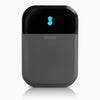
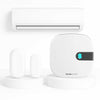
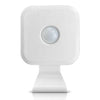
Switching the AC fully off in humid weather lets moisture build back up for hours. Sensibo Air reads room temperature and humidity, and its Climate React feature can switch your AC on or change settings when conditions cross thresholds you choose.
Keep the Fan on Auto
Running the fan continuously can blow moisture from the wet coil back into the room. On Auto, the fan stops with the compressor so condensate can drain.
Clean Filters, Coils and Drain Lines
Dirty filters and a blocked drain pan hold moisture and dust that mold feeds on. Follow our guides on how often to clean AC filters and how to clean mold out of an air conditioner.
Ventilate Moisture at the Source
- Bathrooms: run the exhaust fan during showers and for a while afterwards.
- Kitchens: use the range hood when boiling or steaming.
- Laundry: vent dryers outdoors and avoid drying clothes in closed rooms.
If a musty AC smell comes with sneezing or itchy eyes, read whether air conditioning can cause allergies.
FAQ
Can an air quality monitor detect mold spores?
No. Consumer air quality monitors cannot identify or count mold spores. They measure conditions such as humidity, temperature, VOCs and fine particles, which can warn you that mold is likely but cannot confirm it. Only a lab-analyzed air or surface sample can identify spores.
What humidity level causes mold indoors?
Mold risk rises when indoor humidity stays above 60% for long periods. The EPA recommends keeping indoor humidity below 60%, ideally between 30% and 50%. Cold surfaces such as exterior walls and window frames can grow mold even when the room reading looks acceptable.
Can a PM2.5 sensor detect mold?
Not reliably. A PM2.5 sensor counts fine particles but cannot tell a mold spore from dust, pollen or smoke, and many common spores are around or above 2.5 microns. A rise in particles is not evidence of mold on its own.
Can a high TVOC reading mean mold?
It can be one clue. Growing mold releases odorous compounds that contribute to the musty smell, but TVOC sensors also react to cleaning products, cooking, paint and fragrances. A persistently high TVOC reading together with a musty smell and high humidity is a reason to inspect for hidden damp.
What is the best mold detector for home use?
There is no single home device that detects mold. A humidity-tracking air quality monitor is best for prevention, while a lab-analyzed spore-trap or surface sample, or a professional inspection, is best for confirming mold. DIY petri-dish kits are of little use because spores are present almost everywhere.
How do I stop mould growing in my air conditioner?
Clean or replace filters regularly, keep the drain pan and condensate line clear, and keep the fan on Auto so the coil can dry and drain. Use Dry mode on humid days and avoid leaving rooms humid for long periods with the AC off. If mould is already visible inside the unit, clean it or call a technician.