




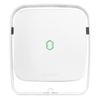

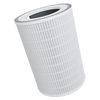



















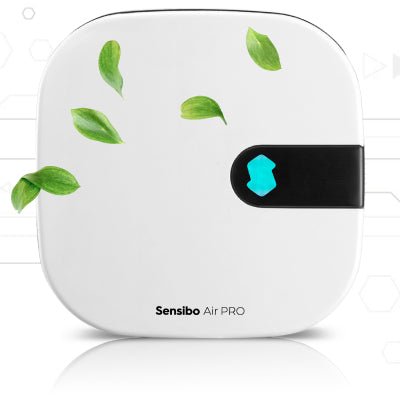


An air purifier is a device that removes airborne contaminants from indoor air by drawing it through one or more filtration or treatment stages. Common targets include dust, pollen, pet dander, mold spores, smoke particles, volatile organic compounds (VOCs), and some bacteria and viruses. Air purifiers are standalone appliances, separate from HVAC filtration, and sized for individual rooms or zones rather than whole-home ductwork.
Filtration Technologies
Technology |
What It Removes |
Limitations |
HEPA (High Efficiency Particulate Air) |
99.97% of particles ≥0.3 microns: dust, pollen, mold, pet dander, some bacteria |
Does not capture gases, odors, or VOCs |
Activated carbon |
Gases, odors, VOCs, smoke chemicals |
Does not capture particulate matter; saturates and needs regular replacement |
UV-C light |
Deactivates bacteria, viruses, mold by damaging DNA |
No effect on particles or gases; must be paired with a physical filter |
Ionizer / electrostatic |
Charges particles so they settle on surfaces or a collector plate |
Can produce trace ozone; particles land on furniture rather than being trapped |
The most effective purifiers combine HEPA and activated carbon in a single unit, effectively filtering both particles and gases. The differences between these technologies matter when choosing a unit, and understanding what air purifiers are and how they work narrows the options quickly.
How to Size an Air Purifier
The key spec is CADR (Clean Air Delivery Rate), measured in cubic feet per minute. The Association of Home Appliance Manufacturers (AHAM) recommends a CADR equal to at least two-thirds of the room's square footage. For a 200 sq ft bedroom, that means a CADR of at least 133 CFM.
A purifier rated below that threshold will cycle the room's air too slowly to keep up with new contaminants entering through doors, windows, and HVAC supply vents.
What Air Purifiers Do Not Remove
No consumer air purifier addresses carbon monoxide, radon, or carbon dioxide. These require dedicated detectors and ventilation, not filtration. Humidity is also outside the scope; an air purifier will not solve mold problems caused by moisture accumulation without a dehumidifier or HVAC correction alongside it. That said, for the contaminants they do target, the measurable benefits of using air purifiers in the home are well documented across allergy relief, respiratory health, and particulate reduction.
Air Purifiers and HVAC
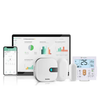
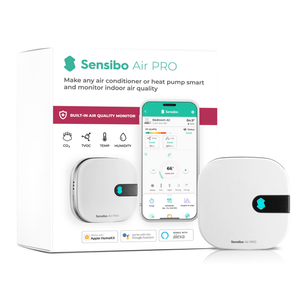
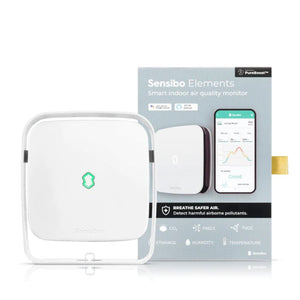
Running a purifier alongside an air conditioner or heat pump creates a layered approach: the HVAC system handles temperature and bulk filtration through its return air filter, while the purifier targets finer particles and gases that a standard MERV-rated filter misses. Some smart air purifiers integrate with air quality monitors to activate automatically when pollution levels rise, reducing unnecessary runtime when air quality is already acceptable.