




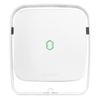





























A humidifier is a device that adds moisture to indoor air by releasing water vapor or mist into a room or through HVAC ductwork. The purpose is to raise the relative humidity when indoor air becomes too dry, which typically happens during the winter heating season. Heating cold air increases its moisture capacity without adding any water vapor, so relative humidity drops as the temperature rises. The continuous exchange with cold, dry outdoor air compounds the problem.
The EPA recommends keeping indoor relative humidity between 30% and 50%. Below 30%, occupants often experience dry skin, irritated sinuses, static electricity buildup, and cracked wood flooring or furniture. That target shifts with seasonal conditions, and the best humidity level for a home in summer differs from winter because cooling systems already pull moisture from the air.
Humidifier Types
Type |
How It Works |
Tradeoffs |
Evaporative (wick) |
Fan blows air through a wet wick or pad; water evaporates naturally |
Self-regulating (output drops as humidity rises); wick needs periodic replacement |
Ultrasonic |
Vibrating ceramic disc breaks water into a fine, cool mist |
Quiet and energy-efficient; can disperse minerals as white dust if filled with hard water |
Steam / warm mist |
The heating element boils water; the steam cools slightly before release |
Kills bacteria in the boiling process; higher energy consumption than other types |
Whole-home (bypass) |
Mounted on HVAC ductwork; uses the furnace blower to push air across a water panel |
Covers the entire house; only runs when the HVAC blower is on |
Whole-home (fan-powered) |
Same ductwork mount, but includes its own fan |
Operates independently of the furnace cycle; higher output than bypass models |
Sizing, water supply requirements, and maintenance frequency vary across categories, and the differences between humidifier types and how they work affect both upfront cost and long-term operating cost.
Risks of Over-Humidification
Pushing indoor humidity above 50% creates conditions for mold, dust mites, and bacterial growth. Stagnant water inside the humidifier tank itself can harbor bacteria and mold spores that get dispersed into the air with the mist. The EPA specifically warns against running humidifiers without regular cleaning and against allowing humidity to exceed recommended levels. Ultrasonic and impeller types carry extra risk because they can aerosolize both microorganisms and dissolved minerals from the water supply.
Monitoring Humidity
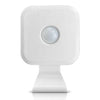
A standalone hygrometer costs under $15 and gives a real-time reading, but requires manual checking. An indoor air quality monitor that tracks humidity alongside temperature, particulate matter, and VOCs provides continuous data and can trigger alerts or automation when levels drift outside the target range.