






































A building management system (BMS) is a centralized platform that monitors and controls a building's mechanical and electrical systems from a single interface. HVAC, lighting, fire safety, security, and power metering all feed data into the BMS, which applies scheduling rules, setpoint logic, and alarm thresholds to keep the building operating within defined parameters. The terms BMS and BAS (building automation system) are used interchangeably across the industry.
What BMS Controls in HVAC
HVAC is typically the largest subsystem connected to a BMS and the biggest consumer of building energy. The BMS manages it through sensors and actuators distributed across zones:
Function |
What the BMS Does |
Temperature control |
Reads zone sensors, adjusts supply air temperature or fan coil output to hold setpoints |
Scheduling |
Starts and stops equipment based on occupancy schedules, reducing runtime in unoccupied periods |
Alarming |
Flags abnormal readings like a frozen coil, failed compressor, or duct pressure outside range |
Demand limiting |
Sheds non-critical HVAC loads during peak electricity pricing or utility demand response events |
Trend logging |
Records temperature, humidity, and equipment runtime data for energy audits and troubleshooting |
Communication between the BMS and HVAC equipment runs over protocols like BACnet, Modbus, or LonWorks. BACnet has become the most common in commercial installations because it standardizes data structures across manufacturers, so a Trane chiller and a Daikin air handler can report to the same dashboard.
BMS in Smaller Commercial Buildings
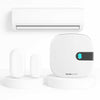
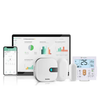
Traditional BMS platforms require dedicated servers, licensed software, and trained building engineers to operate. That cost structure fits office towers, hospitals, and campuses, but prices out most small and mid-size commercial spaces. Cloud-based alternatives now bring centralized HVAC control to smaller buildings by connecting individual smart controllers to a web-based management dashboard that handles scheduling, energy monitoring, and multi-zone control without on-site BMS hardware.