





































An energy management system (EMS) is software that monitors, analyzes, and controls energy consumption across a building or portfolio of buildings. While a BMS focuses on operating mechanical systems to maintain comfort and safety, an EMS focuses on how much energy those systems use and where the waste sits. In practice, the two often overlap, and some platforms serve both functions, but the distinction matters: a BMS asks "is the building comfortable?" and an EMS asks "what did that comfort cost?"
What an EMS Tracks
Data Point |
Why It Matters |
Real-time energy consumption by zone or system |
Identifies which equipment or areas consume disproportionate energy |
Historical usage patterns and trends |
Reveals seasonal drift, scheduling errors, and equipment degradation |
Peak demand and load profiles |
Determines exposure to demand charges, which can represent 30-50% of a commercial electricity bill |
Utility rate structures |
Enables load shifting to cheaper off-peak periods |
Weather-normalized baselines |
Separates genuine efficiency gains from mild-weather savings |
HVAC typically represents 40-60% of a commercial building's total energy use, so most EMS platforms prioritize HVAC optimization. Common interventions include schedule tightening (turning systems off earlier or starting them later based on thermal lag), supply air temperature reset, and demand limiting during peak pricing windows.
EMS vs. Smart Thermostat vs. BMS
A smart thermostat controls a single system or zone. A BMS controls multiple systems across a building. An EMS sits above both, aggregating energy data to answer financial questions: how much did this building cost to operate last month, which floors are trending upward, and where is the next dollar of savings most likely hiding? A property manager running 15 buildings does not need to see individual supply air temperatures. They need to see which building's energy cost per square foot jumped 12% and why.
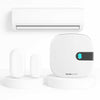
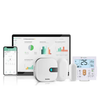
For smaller commercial spaces that lack a traditional BMS, cloud-based HVAC controllers can fill part of this gap by providing per-unit energy tracking, scheduling, and usage reports without the infrastructure cost of a full building automation system.