


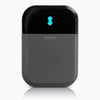


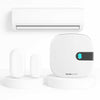



























A humidistat (also called a hygrostat) is a control device that monitors relative humidity and automatically switches a humidifier or dehumidifier on or off to maintain a target moisture level. It works the same way a thermostat works for temperature: the user sets a desired humidity percentage, and the device signals connected equipment to run until that level is reached, then shuts it off.
Humidistat vs. Hygrometer
The two terms get used interchangeably, but they do different things:
Device |
Function |
Humidistat |
Measures humidity AND controls a connected device (humidifier, dehumidifier, or ventilation fan) |
Hygrometer |
Measures and displays humidity only; no control capability |
A hygrometer tells you the number. A humidistat acts on it.
Mechanical Drift vs. Electronic Precision
Mechanical humidistats use a hygroscopic material (typically a nylon or hair element) that expands and contracts with moisture changes, tripping a switch at the setpoint. These are cheap ($20-40) but drift over time, with accuracy around ±5% RH out of the box and worse as dust and age accumulate. That means a unit set to 45% might not trigger until humidity hits 50% or higher.
Electronic humidistats use a capacitive or resistive sensor and offer tighter accuracy, typically ±2-3% RH. Most smart thermostats with humidity control use this type. These sensors still drift at a rate of roughly 2-5% RH per year, so manufacturers recommend annual calibration or replacement every few years.
Why Location Ruins More Humidistats Than Age
A humidistat mounted in the wrong spot gives readings that don't reflect actual living conditions. Common mistakes include placing it near a bathroom door (steam spikes after showers), on an exterior wall (temperature swings skew readings), directly in the HVAC return air stream (measures duct conditions, not room conditions), or in a kitchen (cooking moisture creates false highs).
The best location is an interior wall in a central hallway or main living area, roughly five feet above the floor, away from direct sunlight and supply vents.
Duct-Level vs. Room-Level Readings
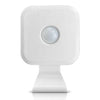
Older whole-home humidifiers ship with a basic mechanical humidistat mounted on the ductwork or return plenum. These read conditions inside the duct, not inside the rooms being served. A wireless room sensor placed in the actual living space gives a more accurate picture of what occupants experience, and can feed that data into automation rules that adjust climate equipment based on real room-level conditions rather than duct-level averages.